
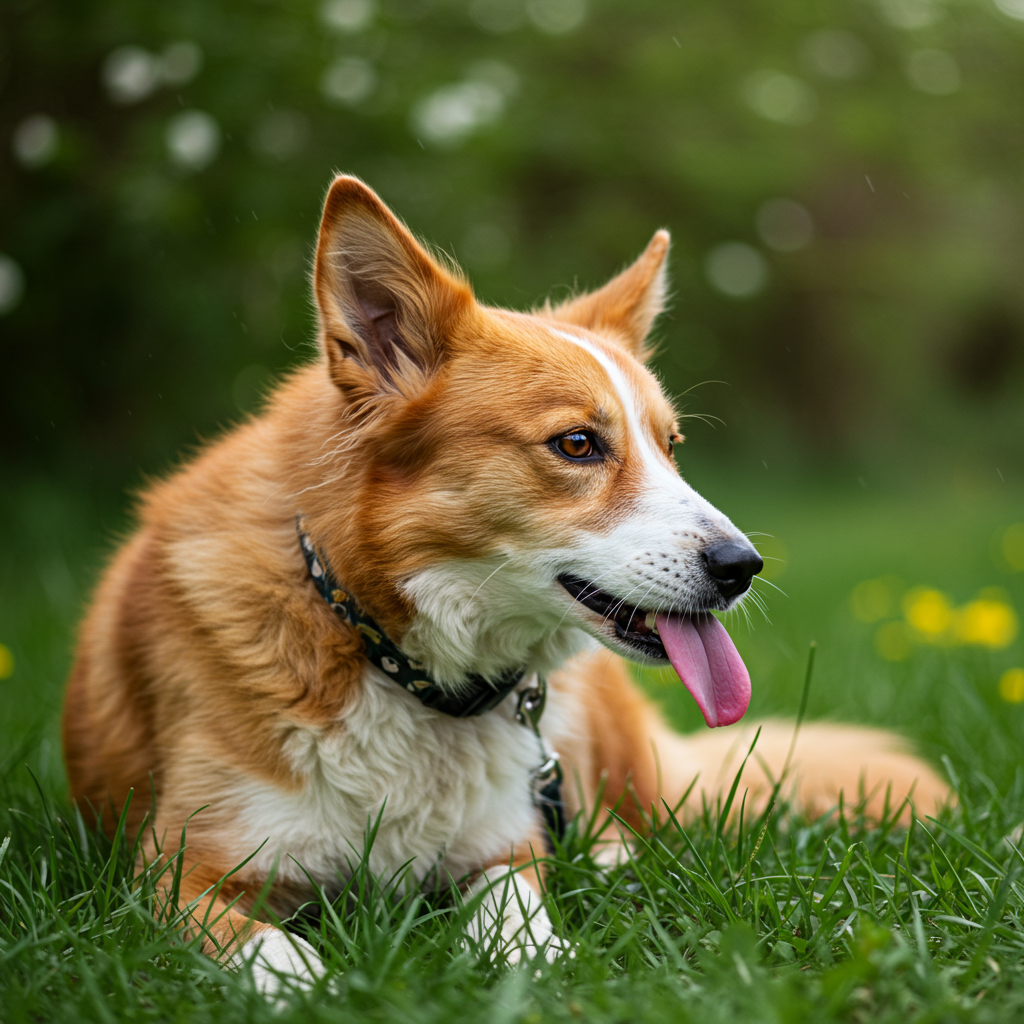

Spring in Erie brings warmer weather, muddy yards, and the inevitable wave of shedding that hits many dog owners all at once. Along with loose fur comes something many people do not expect. Changes in grooming routines can also create changes in behavior.
Here is the simple truth I often share with clients at Off Leash K9 Training Erie. Grooming and behavior transitions are closely connected. When grooming becomes part of a predictable routine, dogs often become calmer, more confident, and easier to handle in everyday life. When it is inconsistent or stressful, it can trigger resistance, anxiety, and avoidance.
In this post, I want to walk through why grooming season can influence behavior, what signs to watch for, and how grooming routines can actually support obedience training and better focus for your dog.
Why Grooming and Behavior Transitions Happen in Spring
Many dogs experience a natural shift during spring. Their coats change, they spend more time outside, and owners begin brushing, bathing, or trimming more frequently.
From a dog’s perspective, that is a lot of change all at once.
Common spring grooming changes include:
-
Increased brushing sessions to manage shedding
-
More baths after muddy walks
-
Trips to professional groomers
-
Handling paws, ears, and tails more frequently
-
Introducing clippers, dryers, or new tools
For some dogs, this attention is relaxing. For others, it can feel overwhelming if they have not been taught how to stay calm during handling.
The American Kennel Club explains that gradual exposure and positive handling can help dogs become more comfortable with grooming routines and body handling. You can read their guidance on helping dogs adjust to grooming through this helpful article on teaching dogs to accept grooming and handling.
At Off Leash K9 Training Erie, we often incorporate calm handling into obedience work because it improves both grooming experiences and daily life.
Signs Your Dog Is Struggling With Grooming Transitions
Many owners assume a dog simply “does not like grooming,” but the behavior often shows up in subtle ways first.
Watch for these early indicators:
-
Pulling away when the brush comes out
-
Paw sensitivity or resistance when feet are touched
-
Mouthing or nipping during grooming
-
Excessive wiggling during brushing or nail trims
-
Hiding when grooming tools appear
-
Barking or whining during bath time
These reactions are usually not about defiance. They are often about uncertainty.
Dogs gain confidence when they understand what is happening and when they have practiced calm behavior during handling. This is where obedience training and grooming routines begin to overlap.
If you are working on building consistent daily habits, you may also find helpful ideas in our post on Perfect Progress, which explains how structured routines create steady progress year round.
How Grooming Can Strengthen Training and Focus
One of the most overlooked training opportunities happens during everyday care. Brushing, drying, and handling paws can all become calm training moments.
At Off Leash K9 Training Erie, I encourage owners to treat grooming as a small training session rather than a rushed task.
Here are a few ways to approach it.
1. Pair grooming with obedience cues
Before starting a grooming session, ask your dog for a simple cue such as:
-
Sit
-
Down
-
Place
This creates a mental transition into work mode.
2. Reward calm behavior during handling
If your dog stays relaxed while you brush or check paws, reward that moment.
Calm behavior should always earn something positive, whether that is praise, a small treat, or simply a break.
3. Keep sessions short and predictable
Five minutes of calm grooming every day is far more effective than one long stressful session.
Short sessions allow dogs to build confidence and trust in the process.
These simple practices contribute to the larger goals of behavior transformation and off-leash reliability, because dogs learn to remain calm and responsive even when something new is happening around them.
If you want to see how structured training builds these skills, you can explore our Dog Training Programs, which include options like Basic Obedience, Basic & Advanced Obedience, and immersive Board and Train programs.
Building Dog Confidence Through Calm Handling
Professional dog training is not only about commands. It is also about helping dogs feel comfortable with everyday experiences.
When grooming routines become predictable, dogs begin to associate handling with calm structure rather than uncertainty.
Over time, this can lead to:
-
Improved dog confidence during grooming and vet visits
-
Better cooperation during daily routines
-
Increased focus during obedience training
-
More reliable responses during distractions
This is why we often include calm handling exercises in our Private Lessons and Off-Leash Obedience programs at Off Leash K9 Training Erie. These small skills translate into real-life improvements for both dogs and owners.
You can also explore additional ways structured routines influence behavior in our article on The Gift of Obedience Training.
A Calmer Spring Starts With Structure
Spring grooming season does not have to be stressful. When brushing, bathing, and handling become predictable parts of your dog’s routine, they can actually reinforce calm behavior and stronger communication.
The connection between grooming and behavior transitions is simple. Dogs thrive on structure, and grooming can be another opportunity to build it.
If your dog struggles with handling, grooming resistance, or general focus, professional dog training can help create the clarity they need.
If you would like help building those skills, the next step is simple. Reach out through the Off Leash K9 Training Erie contact page and tell us a little about your dog and the challenges you are seeing.
We would be happy to help you create a training plan that supports calmer behavior and stronger communication for everyday life.