
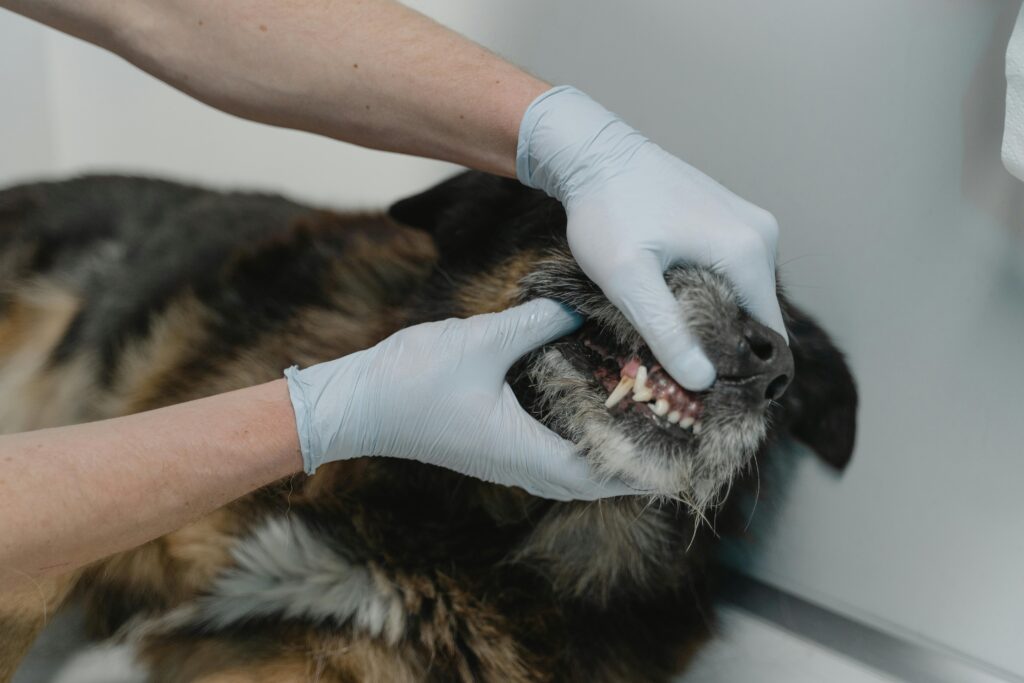

As a professional dog trainer, I spend most of my time helping owners improve behavior, obedience, and everyday structure. One area that is often overlooked in those conversations is dental care. While it may not seem connected to training at first, oral health has a major impact on how dogs feel, behave, and respond to learning.
I have worked with dogs that struggled with focus, resisted handling, or appeared unusually irritable, only to discover that dental discomfort was playing a role. When a dog is dealing with ongoing mouth pain, even simple training expectations can feel overwhelming. Understanding the importance of dental care is essential for owners who want a comfortable, confident, and responsive dog.
Why Dental Health Affects the Whole Body
Dental care goes far beyond keeping a dog’s breath fresh. Plaque and tartar buildup can lead to gum disease, infection, and tooth loss. When left untreated, bacteria from the mouth can enter the bloodstream and impact vital organs such as the heart, liver, and kidneys.
From a training standpoint, discomfort in the mouth can affect motivation and engagement. Dogs may refuse treats, avoid toys, or resist pressure from collars and leashes. These behaviors are often mistaken for stubbornness or lack of training when they are actually signs of physical discomfort.
Some common issues linked to poor dental health include:
-
Chronic pain while chewing
-
Decreased appetite or picky eating
-
Sensitivity around the face and neck
-
Increased stress and irritability
When dental issues are addressed, many dogs show noticeable improvements in attitude and responsiveness.
How Dental Care Influences Behavior
Dental discomfort creates stress, and stress directly impacts behavior. Dogs that are in pain often have lower tolerance levels, reduced patience, and less ability to focus. This can lead to reactivity, avoidance behaviors, or difficulty following commands they previously understood.
Before assuming a dog has a behavioral problem, I often recommend ruling out health concerns, including dental issues. Addressing oral discomfort can make training sessions more productive and reduce frustration for both the dog and the owner.
Supporting dental health alongside structured training, such as enrolling in a Basic Obedience Program, allows dogs to learn while feeling physically comfortable and mentally relaxed.
Signs Your Dog May Need Dental Attention
Dogs are very good at hiding pain, which makes dental issues easy to miss. Some warning signs owners should watch for include:
-
Persistent bad breath
-
Yellow or brown buildup on teeth
-
Red or bleeding gums
-
Dropping food while eating
-
Pawing at the mouth or face
If any of these signs appear, a veterinary evaluation is important. Local professionals such as Erie Animal Hospital provide comprehensive dental evaluations and cleanings that help prevent minor issues from becoming serious health problems. Appointments can be scheduled through their contact page, or by calling 814-838-7638. The hospital is located at 3024 W 26th St in Erie.
The Role of Training in Supporting Dental Care
Training plays a valuable role in making dental care easier and less stressful. Dogs that understand structure, boundaries, and calm behaviors are easier to handle during brushing, examinations, and veterinary visits.
Teaching dogs to remain calm during handling helps with:
-
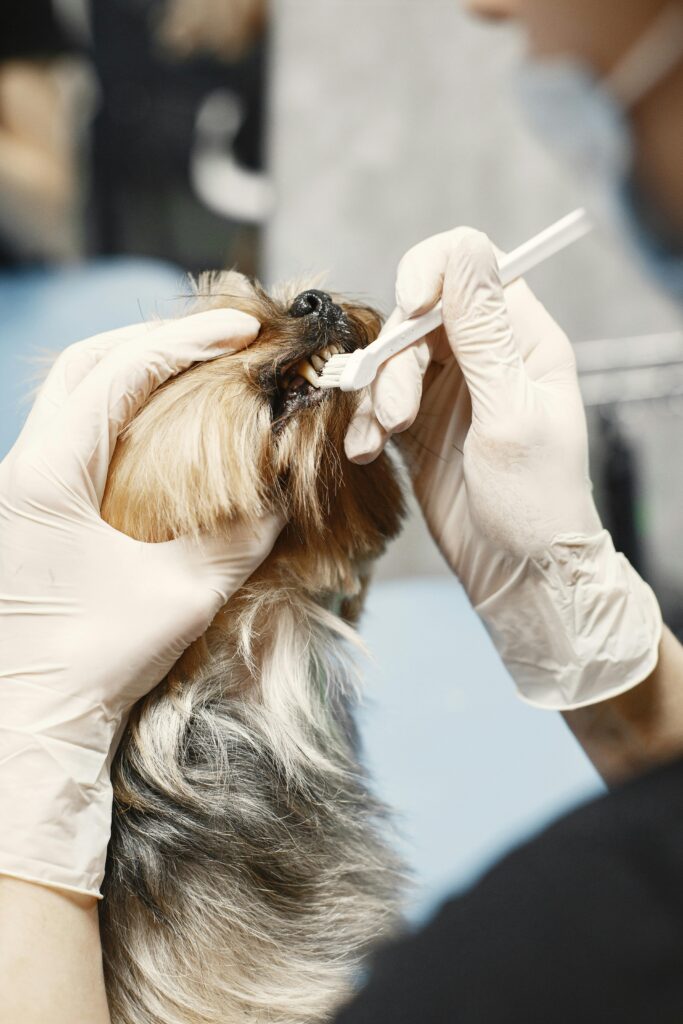
Tooth brushing at home
-
Mouth inspections
-
Veterinary dental exams
-
Grooming around the face
Building these skills during colder months is often especially effective. Structured routines during winter tend to produce strong results, which aligns with the training principles discussed in our article on why winter training creates ideal conditions for progress.
At Home Habits That Support Dental Health
Veterinary cleanings are essential, but daily routines also play a big role in maintaining dental health. Consistency matters just as much with dental care as it does with training.
Helpful habits include:
-
Brushing your dog’s teeth several times per week
-
Using veterinarian approved dental chews
-
Offering safe chew toys that promote oral health
-
Limiting sugary or sticky treats
These habits not only support oral health but also reinforce structure and routine, which contributes to better training outcomes overall.
Combining Dental Care and Training for Long Term Success
Dogs learn best when they feel good physically and mentally. Prioritizing dental health removes a major obstacle to learning and obedience. Comfortable dogs are more focused, more confident, and better equipped to handle training challenges.
For dogs that need additional support, combining veterinary care with structured programs such as a Basic and Advanced Obedience Program or Aggressive Dog Training creates a well rounded approach that addresses both health and behavior.
Final Thoughts
Dental care is one of the most underestimated aspects of dog ownership, yet it plays a significant role in behavior, training success, and overall quality of life. When oral health is neglected, dogs often suffer quietly and progress stalls. When it is prioritized, dogs thrive.
If you are looking to build better habits, improve obedience, and support your dog’s long term wellbeing, professional training can help. You can get started by reaching out through our contact page and learning how structured training supports a healthier, happier dog.